
From Product Idea to Market-Ready Reality
We transform concepts into manufacturable pet products through a structured development process—integrating design, materials, engineering, and production readiness into one seamless workflow.
OEM Development Framework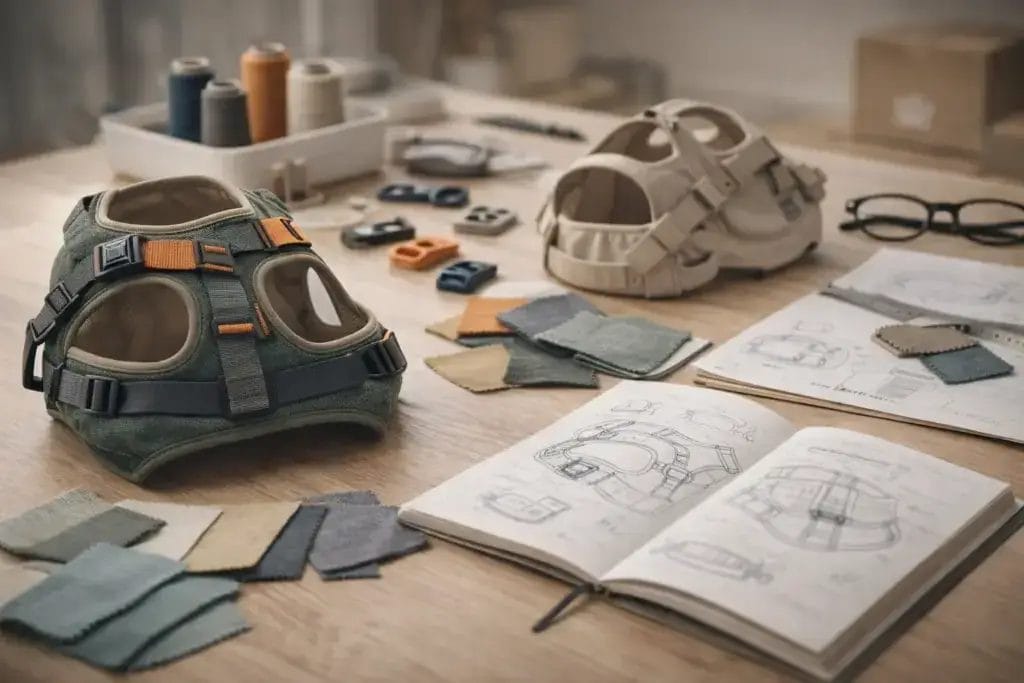

Discovery & Requirement Analysis
We align target markets, product use cases, positioning goals, and cost expectations before design work begins.
- Target market and usage scenario mapping
- Product positioning and performance expectations
- Volume planning and cost target alignment
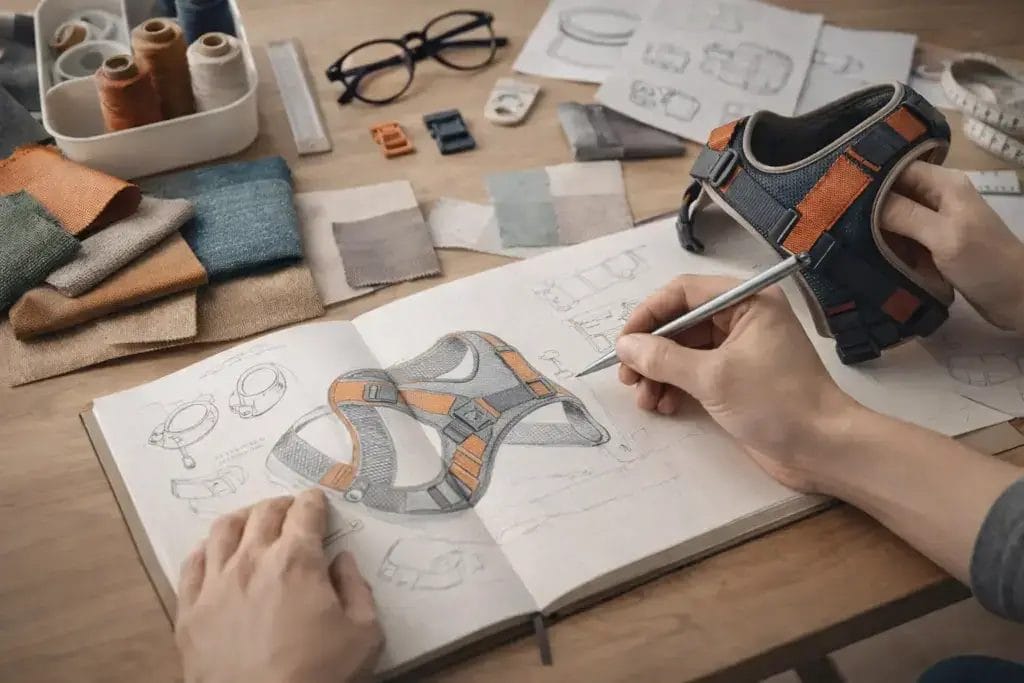
Design & Engineering Development
Concepts are translated into manufacturable product structures with attention to materials, durability, safety, and usability.
- Structural design and material selection
- Durability, comfort, and safety considerations
- Design for manufacturing optimization
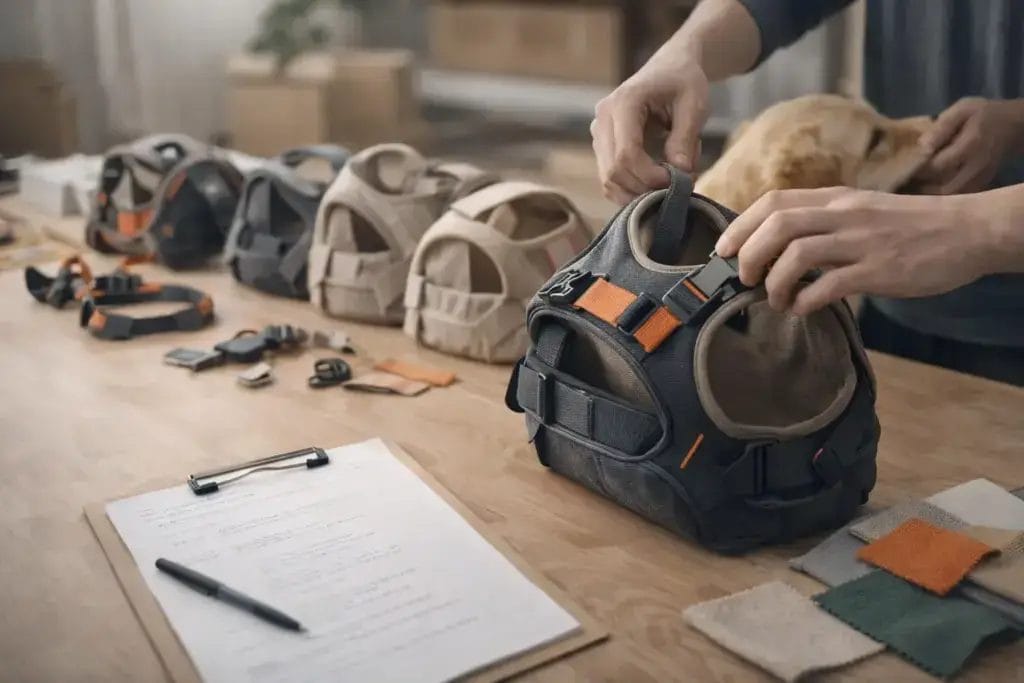
Prototyping & Validation
Prototypes are used to verify fit, function, and user experience, while early testing helps refine details before production setup.
- Prototype reviews for functionality and usability
- Iteration loops for structure and detail improvement
- Early-stage validation aligned with product category needs
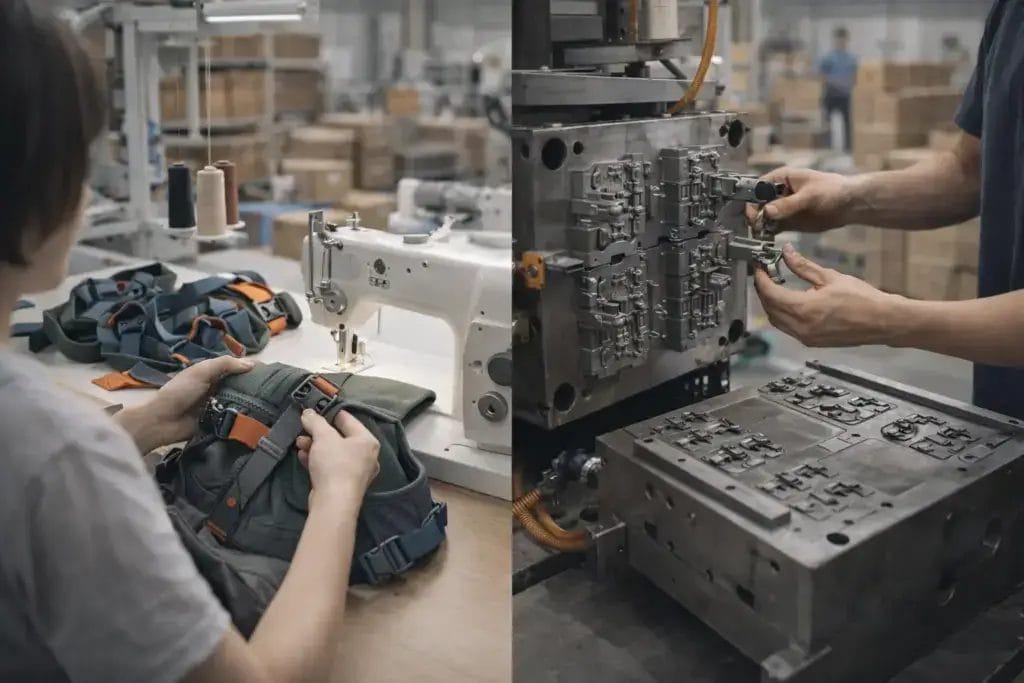
Tooling & Production Readiness
Before scaling, we confirm that tooling, workflows, and key components are ready for consistent manufacturing execution.
- Tooling development and sample approval
- Pilot runs and process verification
- Production workflow setup and readiness review
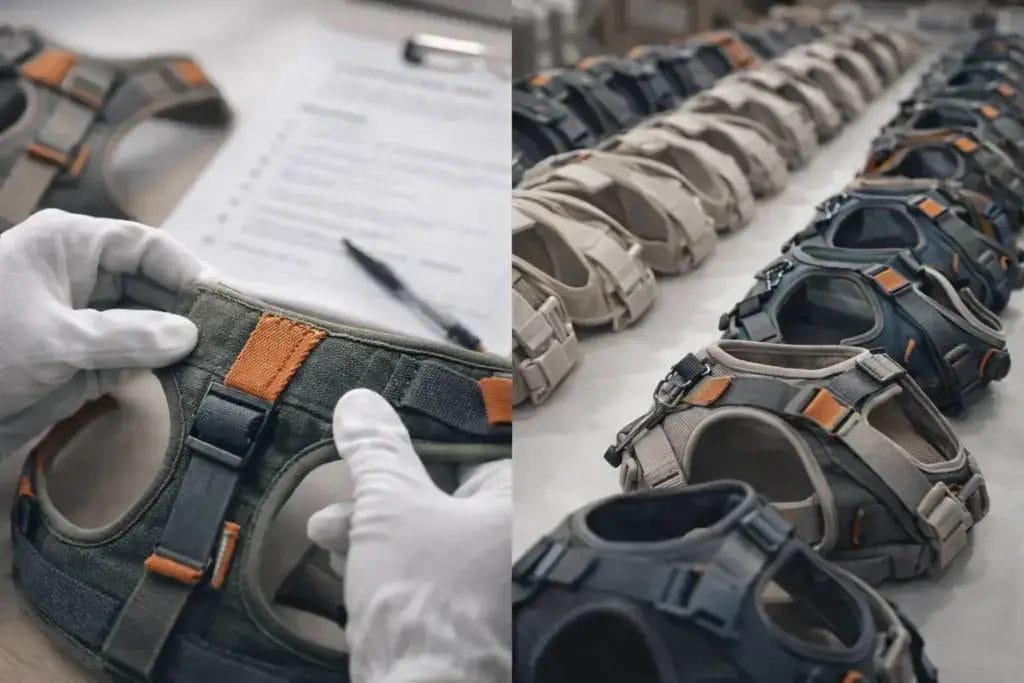
Mass Production & Quality Integration
Quality checkpoints are embedded into production to maintain consistency across materials, assembly, and finished products.
- In-process inspections at key stages
- Standardized assembly and handling procedures
- Quality control integration across batches
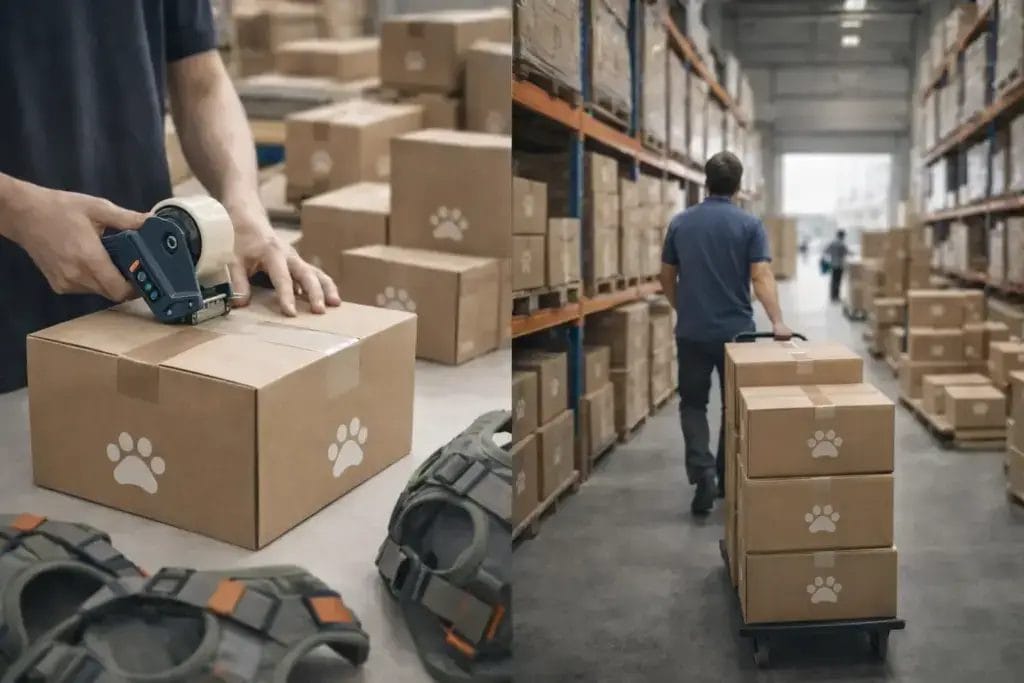
Packaging, Logistics & Scale Support
We support packaging coordination, shipment preparation, and structured scaling plans for long-term product line growth.
- Packaging aligned with brand and logistics needs
- Shipping coordination and documentation support
- Scalability planning for future line expansion
Why Our Development Process Matters
A structured OEM workflow helps reduce uncertainty, improve communication across product teams, and move development forward with clearer priorities. Instead of treating design, materials, validation, and production as disconnected steps, we connect them into one coordinated system.
Start Your ProjectRequirement Alignment
Clear definition of market, usage, and positioning before development begins.
Engineering Integration
Design and materials are reviewed together for usability, safety, and manufacturability.
Prototype Validation
Iterative testing helps verify function and reduce downstream development risk.
Production Readiness
Tooling, pilot runs, and process checks are validated before scaling.
Quality Assurance System
Integrated checkpoints maintain consistency across materials, assembly, and finished goods.
Scalability & Continuity
Structured processes support long-term product line expansion and repeatability.
Common Questions During Product Development
Below are some of the most common questions clients ask when planning new OEM pet product programs, from concept definition to production readiness.
What should we prepare before starting the development discussion?
The most helpful starting inputs include your target market, product category, intended use scenario, approximate price positioning, expected volume, and any initial references for materials, functions, or styling. Even if everything is not finalized, early direction helps reduce development uncertainty.
Can you develop a product family instead of a single SKU?
Yes. Many OEM programs are more effective when product planning considers a family of related SKUs from the beginning. This can help align materials, components, packaging logic, and future line extensions more efficiently.
How do you reduce risk before mass production?
Risk is reduced by validating assumptions earlier: reviewing structure and materials, confirming usability through prototypes, checking manufacturing feasibility, and using pilot runs or sample approvals before full production scaling.
Do you support market-specific compliance needs?
We can align product development with target-market requirements by considering material restrictions, product-category expectations, documentation flow, and testing coordination as part of the development process.