
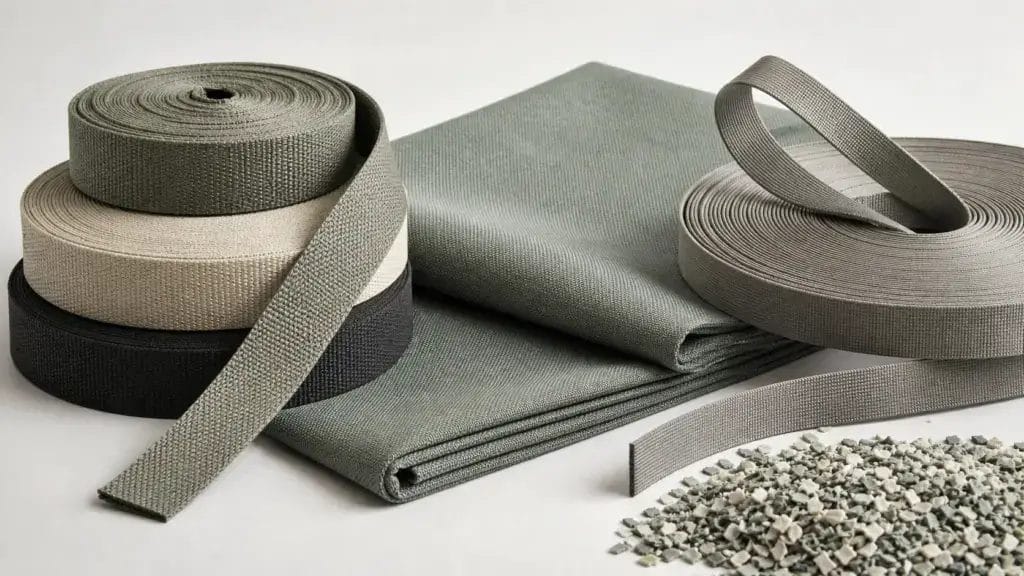
The Global Recycled Standard (GRS) is a voluntary certification, managed by Textile Exchange, that verifies the recycled content of a product and the conditions under which it was made — covering recycled input, supply-chain traceability, social and environmental practices, and chemical management. A product needs at least 20% recycled content to be certified and 50% to use the GRS product label. One thing brands planning sustainable lines in 2026 should know up front: GRS is currently valid but is being folded into a new framework, the Materials Matter Standard, on a timeline that runs through the end of 2027. This article covers what GRS actually verifies, why a recycled claim needs certification at all, what it means for pet products, and how the coming transition affects sourcing decisions now.
What GRS certification actually verifies
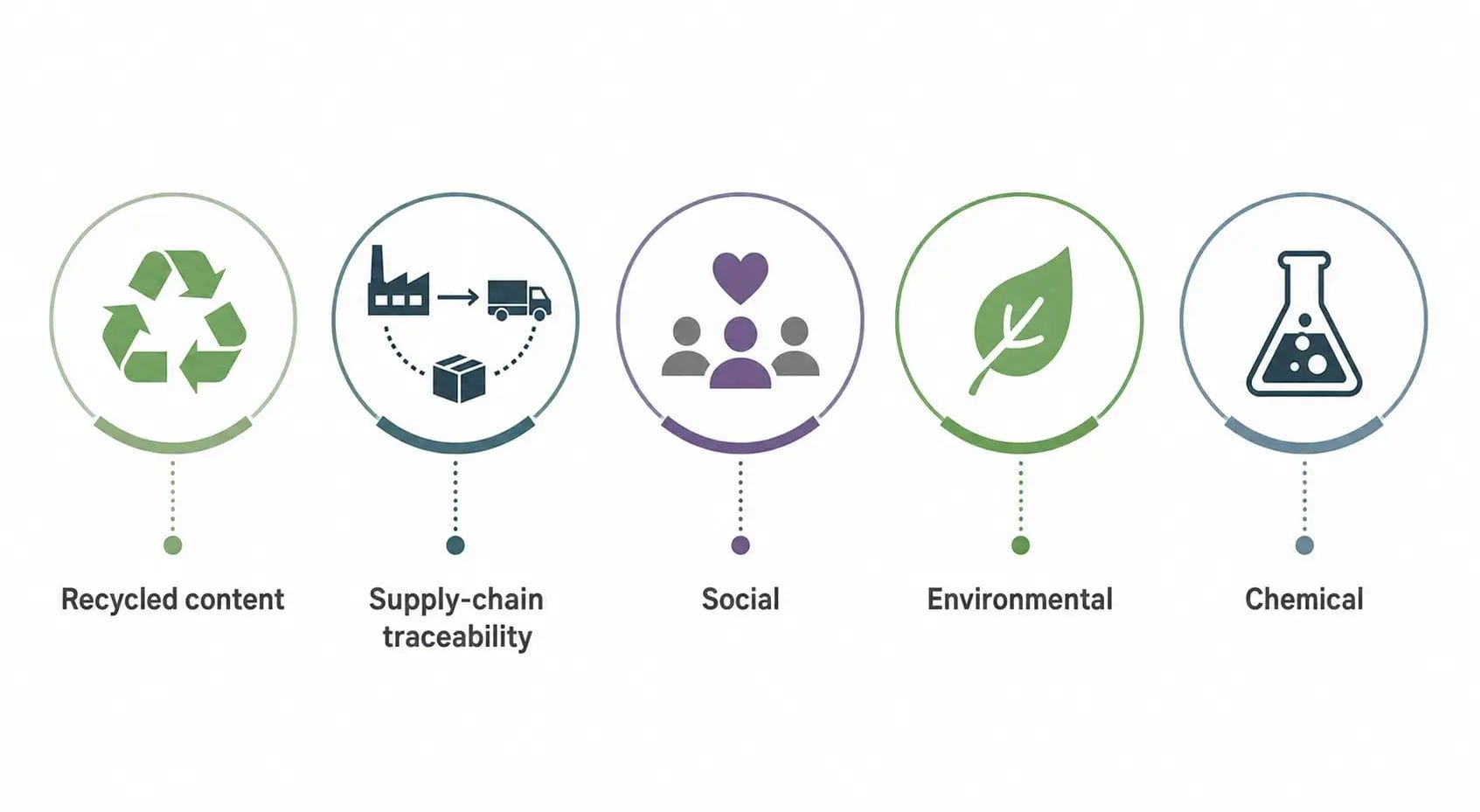
A common misreading is that GRS just confirms a product contains recycled material. It does more than that. The standard checks five areas, and a certified supplier has to satisfy all of them, not just the first.
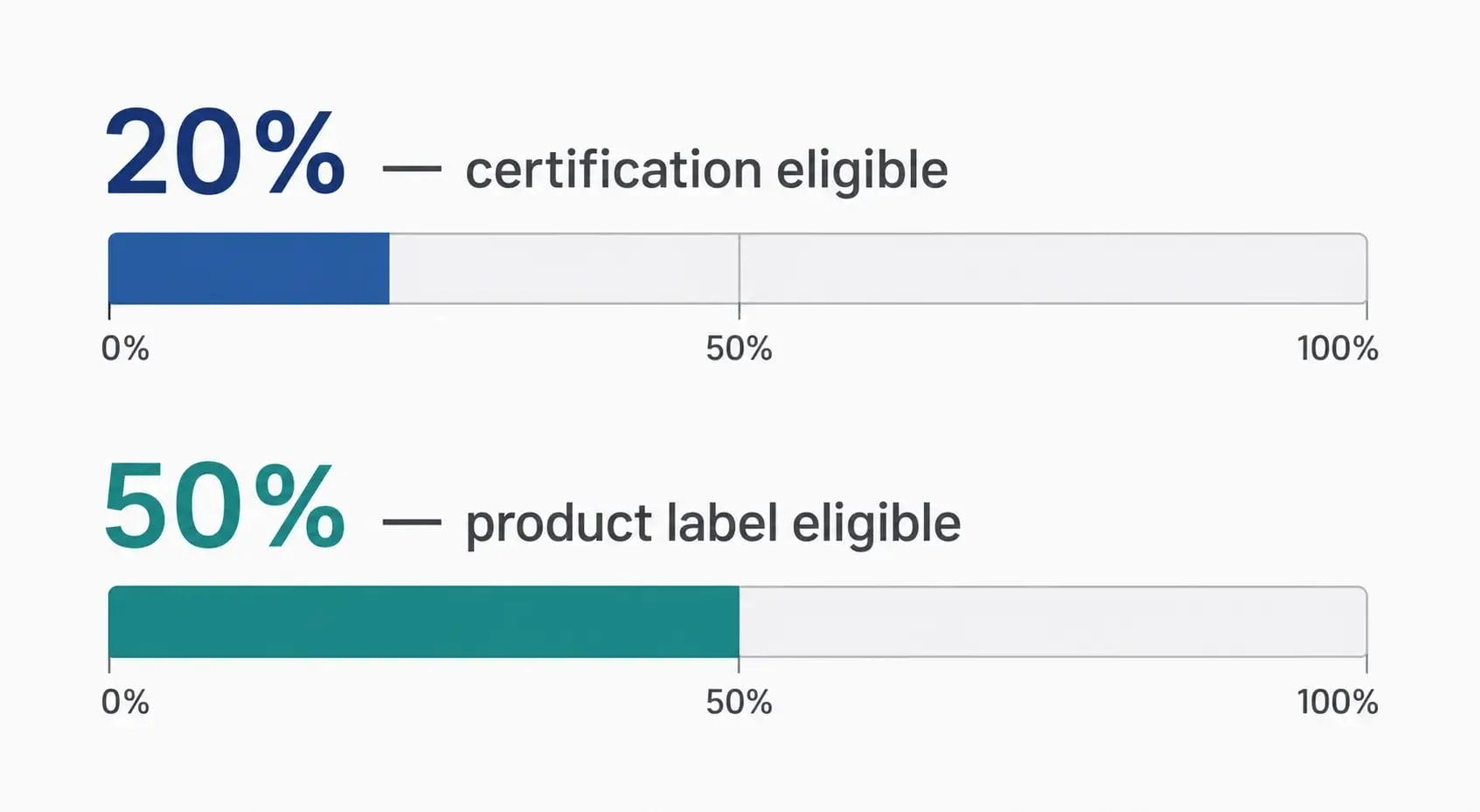
Recycled content is the headline: the percentage of pre-consumer or post-consumer recycled material in the product, verified rather than self-declared. The 20% floor is what makes a product eligible for certification; 50% is the bar for using the GRS product label on the product itself. Above that, GRS sets requirements on traceability through the supply chain, on social conditions in the facilities that process the material, on environmental practices in production, and on the chemicals used. That breadth is the point — it is why a GRS claim carries more weight with buyers than an unverified “made with recycled materials” line on a hangtag.
Although Textile Exchange came out of the textile sector, GRS is not limited to fabric. It applies to any product containing recycled content, which matters for pet products because so many of them combine recycled textiles with recycled plastics — recycled polyester webbing, rPET fabric, recycled nylon. It does not apply to products made entirely from virgin material, or to food, cosmetics, and pharmaceuticals.
Why a recycled claim needs certification
A brand can print “recycled” on a label without anyone checking it. That is exactly the problem the standard exists to solve. As regulators and retail platforms tighten their scrutiny of sustainability claims, an unsubstantiated recycled claim is increasingly a liability rather than a selling point — it invites greenwashing accusations and, in some markets, regulatory action.
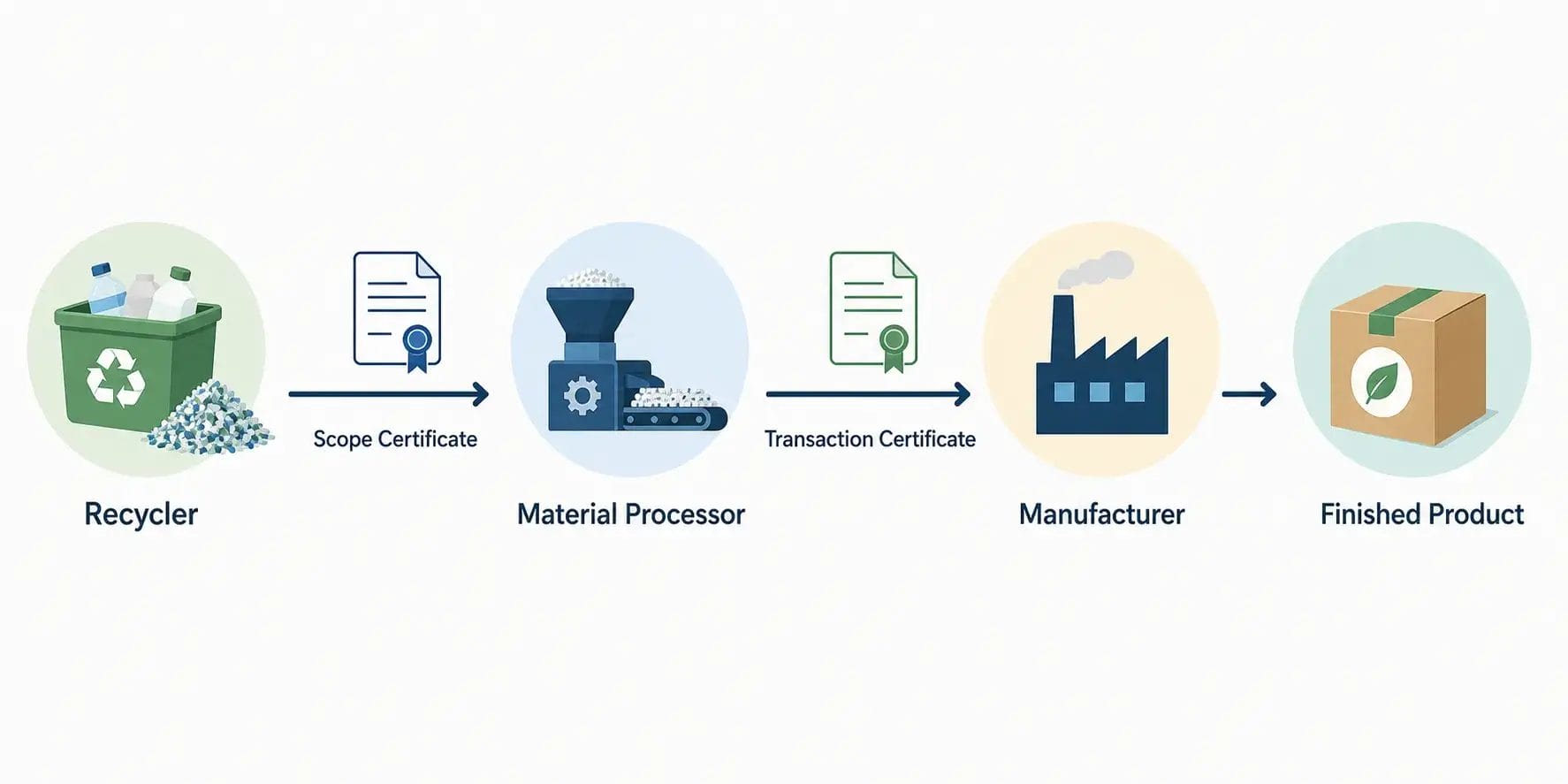
The mechanism GRS uses is a chain of custody built on two documents. A Scope Certificate confirms that a given facility is certified to handle GRS material; a Transaction Certificate follows a specific shipment of material through the supply chain. The distinction trips brands up: a Scope Certificate on its own only shows the factory is certified in general, not that your particular order ran on certified recycled material — that is what the Transaction Certificate is for. The two together mean a factory cannot label its output GRS-certified unless every upstream supplier holds valid certification covering that material. For a brand, this is the difference between a claim it can defend and one it merely hopes is true. It also shifts where the verification work sits: a brand does not certify recycled content itself, it relies on certified suppliers and the paper trail they can produce.
What this means for pet products specifically
Recycled materials show up across the pet category, but they cluster in the soft, textile-heavy products. Harness webbing and padding, the fabric panels of carry systems, the filling and covers of pet beds — these are where rPET and recycled nylon do real work, and where a GRS claim is both achievable and meaningful. The material logic here is the same one that governs any harness or carrier build; Dog Harness Materials: Choosing Between Air Mesh, Nylon, and PVC goes into how those material choices play out structurally.
| Product type | Where recycled material usually sits | GRS relevance |
|---|---|---|
| Harnesses | Webbing, padding, lining | High when recycled polyester or nylon is used |
| Carry systems | Fabric panels, straps, mesh, lining | High for textile-heavy soft carriers |
| Pet beds | Covers, filling, textile shells | High with recycled filling or rPET fabric |
| Hard-plastic products | Recycled plastic components | Possible, depending on the material chain and certification scope |
The practical catch with recycled materials is that they behave slightly differently from virgin equivalents — recycled nylon and rPET can vary more batch to batch, and that variability has to be managed in development and quality control rather than discovered at mass production. A brand that wants a recycled line should treat material qualification as part of the sampling stage, not an afterthought. Certification confirms the material is what it claims to be; it does not by itself guarantee the material performs the way the product needs it to. GRS documentation sits alongside material testing, sampling, and quality control — for harnesses, carriers, and beds, where pull strength, abrasion, colorfastness, and washability all matter, it does not replace them.
The transition to the Materials Matter Standard
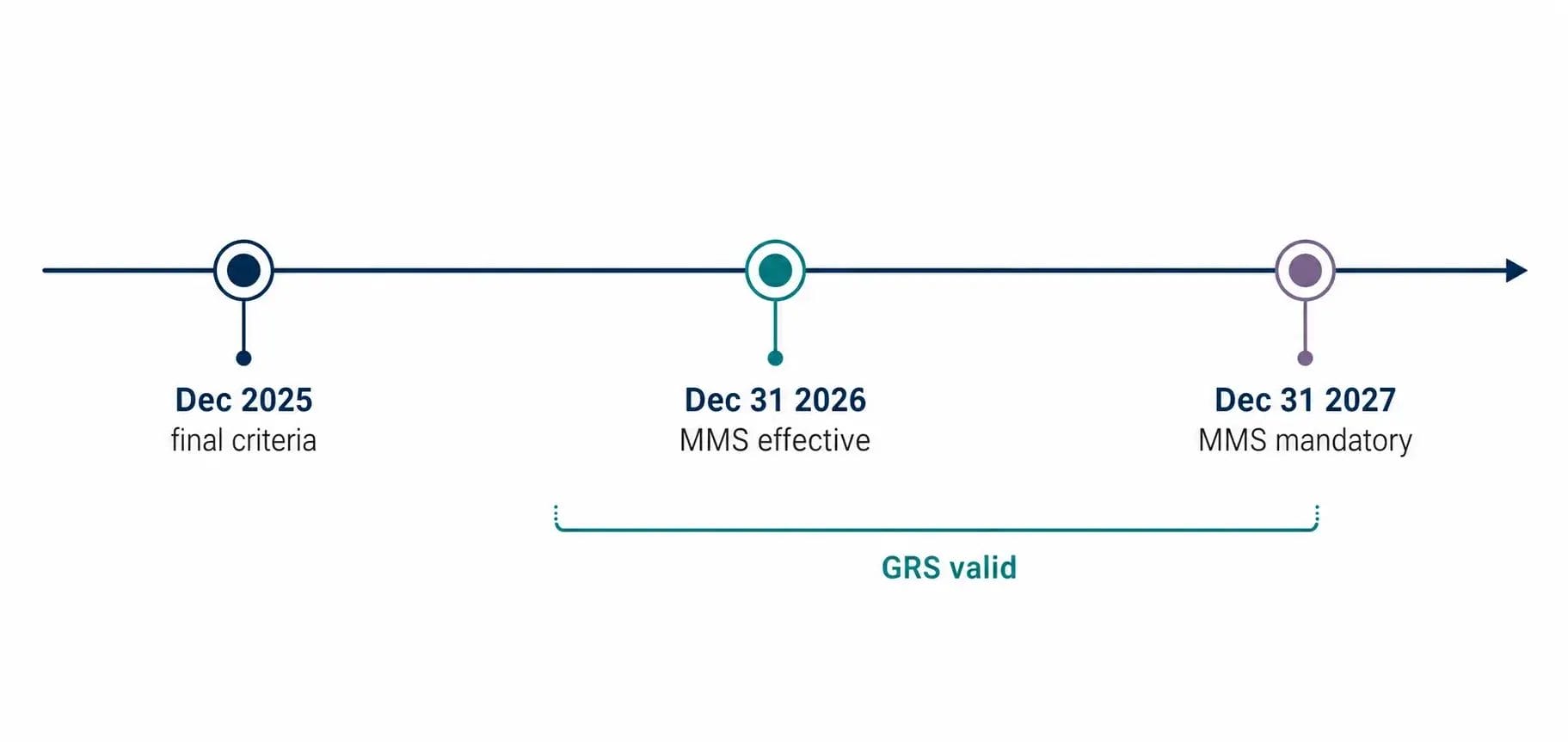
This is the part of the picture that changes how a brand should think about GRS right now. Textile Exchange published the final criteria for a new framework, the Materials Matter Standard, in December 2025. It is designed to unify several of Textile Exchange’s existing standards — including GRS and the Recycled Claim Standard — under one system that ties certification more directly to measurable environmental and social outcomes.
The timeline matters more than the name. The Materials Matter Standard becomes effective on 31 December 2026, at which point certification bodies can begin auditing to it, and it becomes mandatory on 31 December 2027. Until that mandatory date, the existing standards — GRS included — remain fully valid, and certified organizations can either keep their current certificates or transition early. After 31 December 2027, certificates issued under the old standards will no longer be renewed; the recycled materials currently covered by GRS are carried into the first version of the Materials Matter Standard.
For a brand making sourcing decisions in 2026, the read is straightforward. A GRS certificate is still real and still defensible today, so there is no reason to hold off on a recycled line waiting for the new standard. What does make sense is to factor the transition into any plan that runs past 2027. For products that will still be in production then, a few questions are worth putting to a supplier now:
- Will your current GRS scope transition to the Materials Matter Standard, and when do you expect to audit under it?
- Will Transaction Certificates stay available through the transition?
- Will product label or packaging language need to change when the standard switches?
A supplier that already has a clear answer here is signaling that it tracks the regulatory landscape rather than reacting to it.
Sourcing recycled-material production: what to confirm
When you evaluate a manufacturer for a recycled-material pet product, the certification claim is only as good as the documents behind it. Before committing, confirm:
- The specific facility that will make your product is within a valid GRS scope — not just that the company “works with GRS materials” somewhere in its group
- The supplier can show a current Scope Certificate, and can issue Transaction Certificates for your orders
- The recycled content the supplier can actually deliver against, since the gap between the 20% eligibility floor and the 50% label threshold changes how you can market the product
- The certificate covers the exact material and process your product uses
- How the supplier plans to handle the Materials Matter Standard transition
The broader question of how to vet a manufacturer’s certifications and avoid suppliers who overstate them is covered in How to Choose a Pet Product OEM Manufacturer, and how recycled-material compliance fits alongside market regulations like CA65 and REACH is covered in Pet Product Compliance by Market: US, EU, and Japan.
CrazyPaws develops recycled-material pet products through group-owned and partner factories whose supply chains carry GRS certification, which means a recycled line can be built with verifiable content rather than an unsupported claim. If you are scoping a sustainable product line, our team can work through which materials suit the format, what recycled content is realistic, and how the certification documents will support your claims — see Pet Product Export Compliance: A Complete Guide for Brands and Importers for the wider compliance picture, or get in touch to discuss a specific build.
FAQ
What is the minimum recycled content for GRS certification?
A product needs at least 20% recycled content to be eligible for GRS certification. To use the GRS product label, the threshold is 50% recycled content. The percentage is verified through the supply chain, not self-declared.
Does GRS only apply to textiles?
No. Although Textile Exchange originated in textiles, GRS applies to any product containing recycled content, including recycled plastics. It does not cover products made entirely from virgin material, or food, cosmetics, and pharmaceuticals.
Do recycled-material pet products have to be GRS certified?
No — GRS is voluntary. But if you want to make a defensible recycled claim, certification provides the traceability and documentation that retailers and regulators increasingly expect. Without it, a recycled claim is difficult to substantiate.
What is the difference between GRS and the Materials Matter Standard?
The Materials Matter Standard is Textile Exchange’s new framework that unifies several existing standards, including GRS. It becomes effective at the end of 2026 and mandatory at the end of 2027. Until then GRS remains valid, and the recycled materials it covers carry over into the new standard.
How can I verify that a factory’s GRS certification is genuine?
Ask for a current Scope Certificate covering the specific facility, and confirm the supplier can issue Transaction Certificates for your orders. The certificate should cover the exact material and process your product uses, not just the company in general.
What should I look for in a sustainable pet product manufacturer?
Look for verifiable certification at the facility level, the ability to issue chain-of-custody documents, a realistic answer on recycled content percentage, and a clear plan for the Materials Matter Standard transition. A supplier that can produce documents rather than assurances is the safer partner.