
INSIGHTS
Insights
Practical guides on pet product OEM/ODM — development, materials, packaging, and bringing products to market.

Multi-Material Manufacturing for Pet Products: Combining Plastic, Metal, Fabric, and Silicone
Most pet products are not made from one material. A harness combines woven webbing, a plastic buckle, and a metal ring. A feeder pairs a rigid plastic body with a silicone base. A carrier brings together fabric panels, a zipper, and a structural frame. The hard part of making these products is rarely any single…
June 1, 2026

Types of Pet Carriers: Six Carry Formats and How to Choose the Right One
Pet carriers fall into six recognizable formats: backpack carriers, tote carriers, sling carriers, soft-sided carriers, rolling or wheeled carriers, and pet strollers. They differ in how the user carries the weight, how long a pet can comfortably stay inside, and which pet sizes and travel scenarios they suit. The format you build around shapes everything…
May 31, 2026
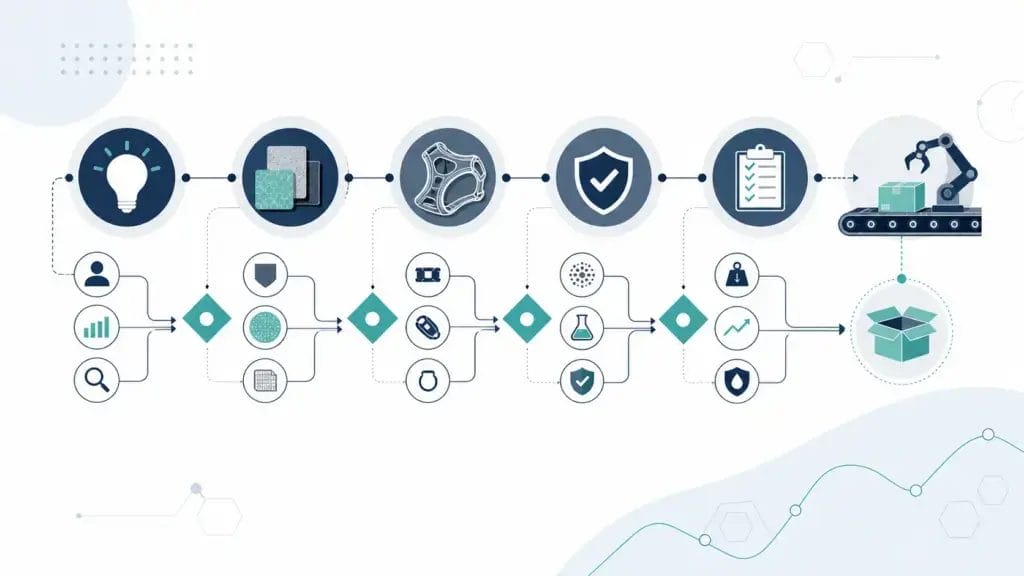
Pet Product Development: A Complete Guide from Concept to Production
Turning a pet product idea into something a factory can make at volume is a chain of decisions, each one constraining the next. Positioning sets the materials; the materials shape the structure; the structure and the target markets decide what has to be tested; and only then does a sample become a product. The hard…
May 30, 2026
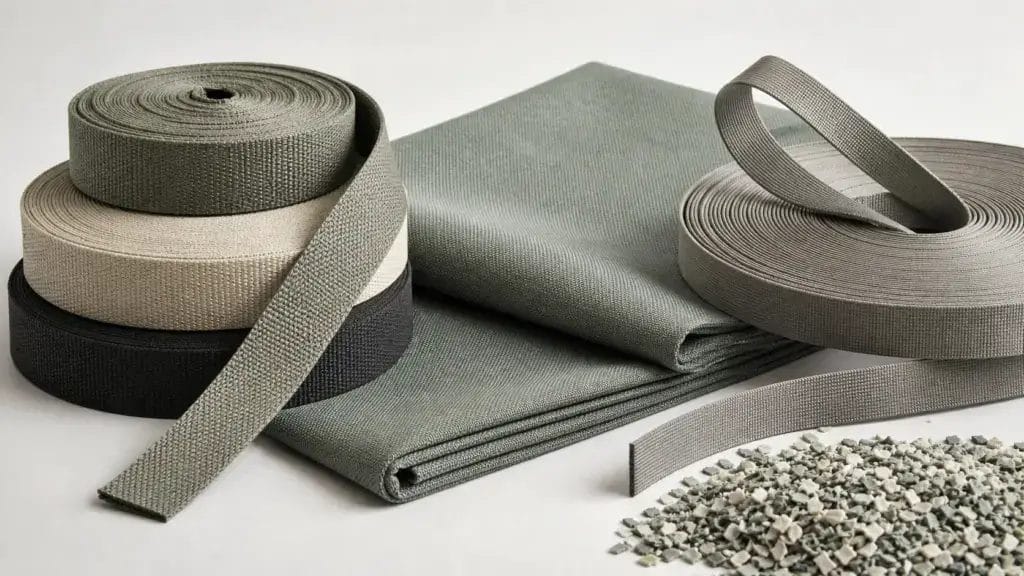
GRS Certified Recycled Materials in Pet Product Manufacturing: What Brands Need to Know
The Global Recycled Standard (GRS) is a voluntary certification, managed by Textile Exchange, that verifies the recycled content of a product and the conditions under which it was made — covering recycled input, supply-chain traceability, social and environmental practices, and chemical management. A product needs at least 20% recycled content to be certified and 50%…
May 29, 2026
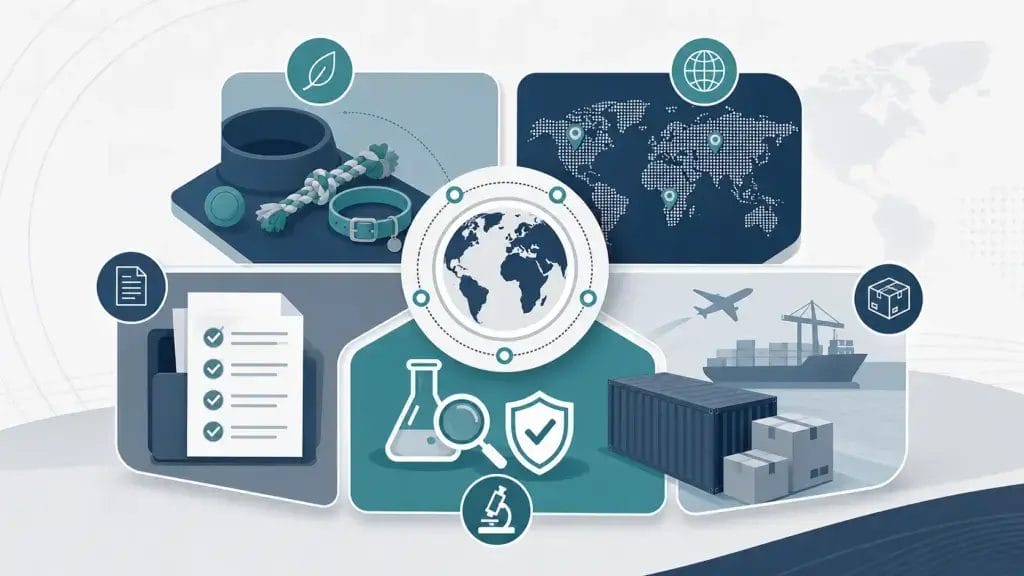
Pet Product Export Compliance: A Complete Guide for Brands and Importers
Most of the trouble brands run into with pet product compliance comes from treating it as a single thing — one certificate, one test, one box to tick. It is not. Compliance for an exported pet product is a set of requirements that fall out of three things together: what the product is made of,…
May 28, 2026
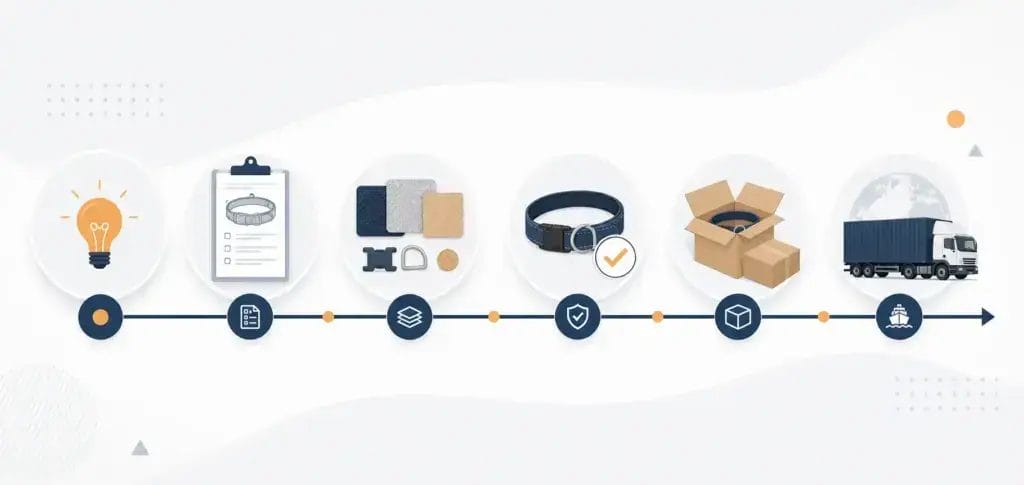
Pet Product OEM Sourcing: A Complete Guide for Brands and Importers
Sourcing a private-label pet product from an OEM manufacturer follows a recognizable sequence: define the product and what you need, choose between an OEM or ODM model, find and evaluate a manufacturer, work out MOQ and cost, move through prototyping to mass production, and confirm compliance for the markets you sell into. Each step depends…
May 27, 2026
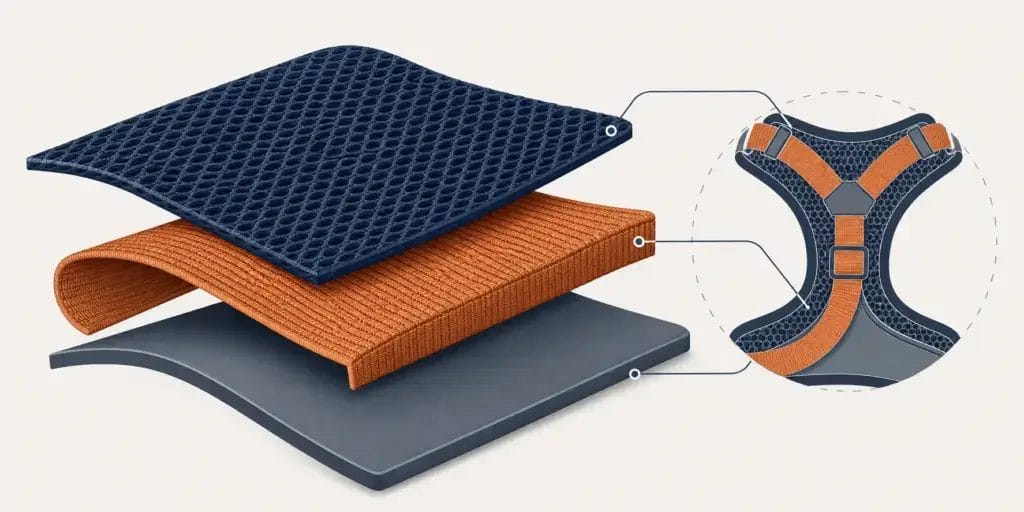
Dog Harness Materials: Choosing Between Air Mesh, Nylon, and PVC
A dog harness is rarely made from a single material. Air mesh provides breathability and a soft layer against the body, nylon webbing carries the structural load, and a PVC or TPU coating adds water resistance and easy cleaning. Most harnesses combine these by function — webbing where strength is needed, mesh where airflow matters,…
May 27, 2026

CA65, REACH, and RoHS for Pet Products: What Each Regulation Actually Covers
CA65, REACH, and RoHS are often listed together as the chemical compliance standards a pet product has to meet, but they do not cover the same ground. CA65 is a California warning law, REACH is a broad EU chemical regulation, and RoHS is an EU directive that applies only to electrical and electronic equipment. For…
May 27, 2026
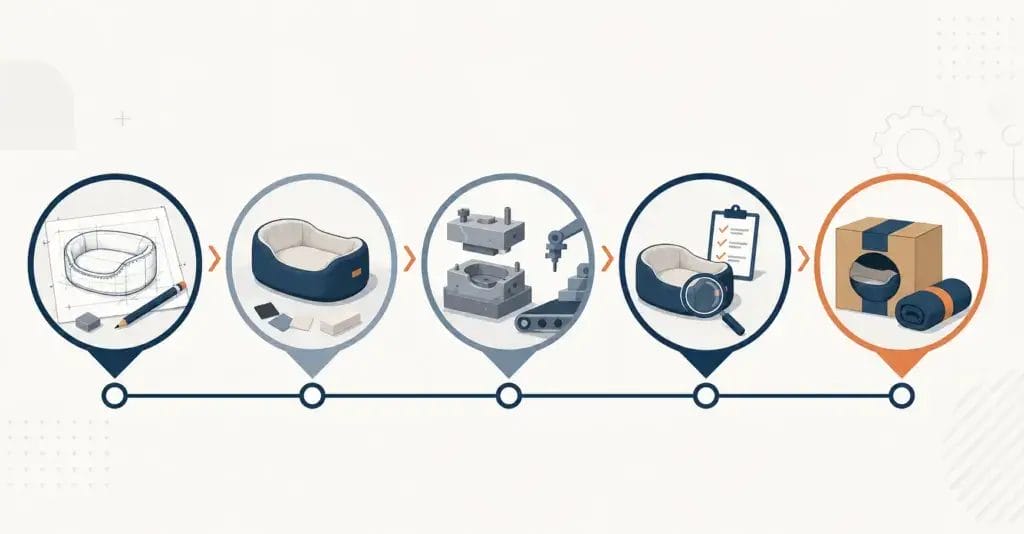
The Pet Product Manufacturing Timeline: From Prototype to Mass Production
A pet product manufacturing timeline runs about three to six months, from a finalized design to a shipped first order. Soft-goods items such as harnesses and leashes sit near the shorter end; products that need custom tooling, molded parts, or compliance testing sit at the longer end. The work breaks into five stages: design finalization…
May 27, 2026

Pet Product Compliance by Market: US, EU, and Japan
Pet products such as harnesses, leashes, collars, and similar non-food accessories are, in most markets, regulated as general consumer goods rather than under a single law written specifically for pet items. What applies to them are broad rules on chemical content, product safety, and labeling — and those rules differ by market. A product that…
May 27, 2026

How to Choose a Pet Product OEM Manufacturer
Choosing a pet product OEM manufacturer is not only a price comparison. A low quote from the wrong factory can turn into failed samples, delayed launch dates, quality fade in production, or a deposit paid to an entity that cannot deliver. A reliable manufacturer can usually be assessed across six areas: category expertise, compliance and…
May 27, 2026
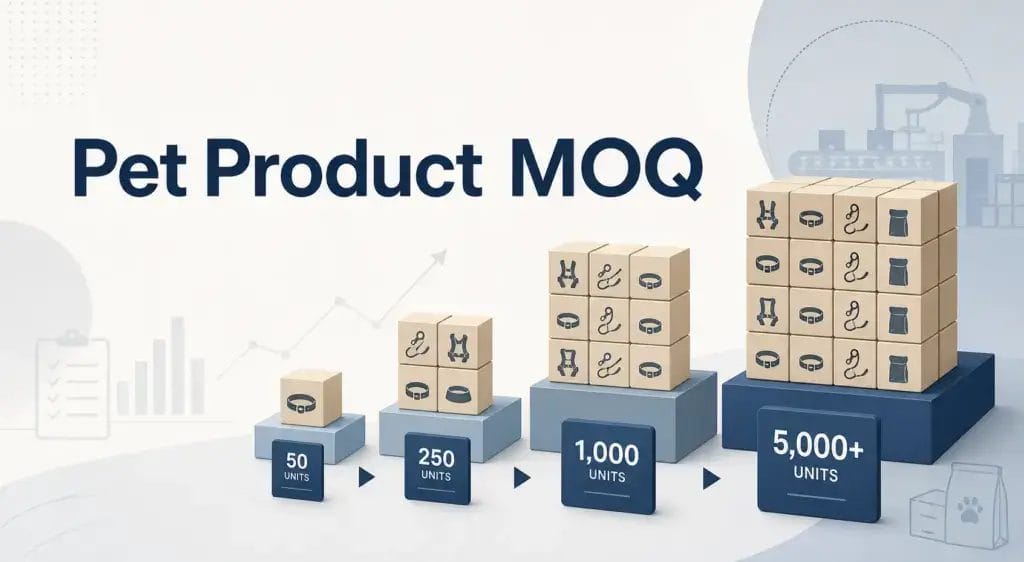
How Pet Product MOQ Is Calculated — and How to Negotiate It Lower
MOQ, or minimum order quantity, is the smallest number of units a factory will produce in a single run. For many first-time buyers, it is also the point where a promising product idea turns into a cash-flow and inventory decision. In pet product manufacturing MOQ is not an arbitrary barrier. It is the point at…
May 27, 2026