
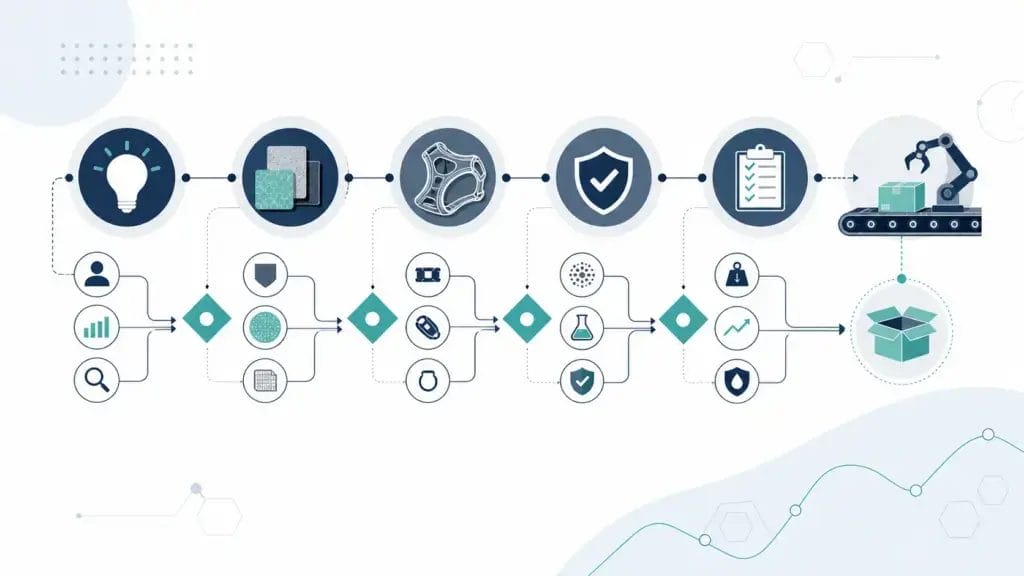
Turning a pet product idea into something a factory can make at volume is a chain of decisions, each one constraining the next. Positioning sets the materials; the materials shape the structure; the structure and the target markets decide what has to be tested; and only then does a sample become a product. The hard part of development is rarely any single step — it is keeping those decisions compatible, so the choice made early does not quietly break the one made later. This guide lays out that decision chain, what each link depends on, and where the detailed work on each is covered.
It is worth saying what this guide is not. It is not a production timeline — the schedule from prototype through tooling to mass production is its own subject, covered separately. This is the map of decisions that has to be made before and during that timeline, in the order that keeps a project from doubling back on itself.
What product development actually involves
The common mental model is “have an idea, find a factory, get it made.” That skips the part where most of the cost and most of the risk actually live. Between the idea and the factory sits a sequence of choices — who the product is for, what it is made of, how the materials come together, which markets it sells into, and how the design is proven before volume — and each of those choices closes off or opens up the ones after it.
Development is the work of making those choices in an order that holds together. Decide the materials before the positioning and you may build something too expensive for its market. Settle the structure before checking the target market’s rules and you may have to re-engineer a component late. The sections below walk the decisions in the order they are best made, and point to the detailed treatment of each.
| Decision | What it depends on | If it goes wrong | Go deeper |
|---|---|---|---|
| Positioning | Target customer, price tier, market, use case | Everything downstream inherits the wrong constraints | This guide, below |
| Materials | Positioning, durability, cost, compliance | Expensive to change once tooling is committed | Harness material choices |
| Structure & joins | Which materials meet and how | Product fails at the interface, returns rise | Multi-Material Manufacturing for Pet Products: Combining Plastic, Metal, Fabric, and Silicone |
| Format | Use case, pet size, positioning | Wrong format for the buyer or scenario | Types of Pet Carriers: Six Carry Formats and How to Choose the Right One |
| Compliance | Materials and target markets | Late re-engineering instead of a paperwork step | Export compliance |
| Validation | All of the above, proven in sampling | Incompatibilities multiply across the production run | Prototype-to-production timeline |
Each row is a section below, in the order the decisions are best made.
Why the order matters more than any single decision
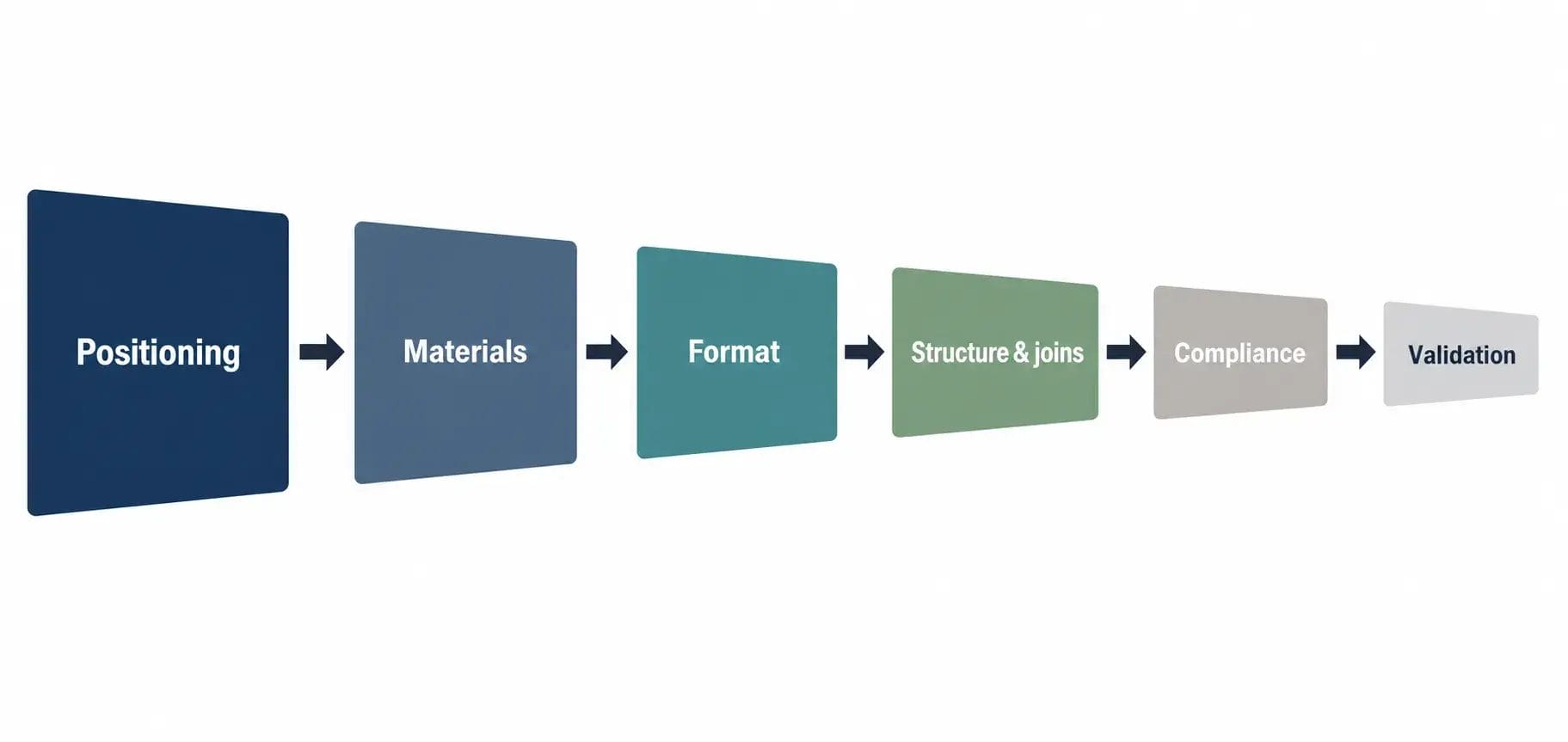
It is tempting to treat these as a checklist where the sequence does not much matter — get to all of them eventually and the product will be fine. In practice the order is most of the work, because each decision sets the constraints for the next, and a decision made out of sequence often has to be unmade.
The pattern repeats in predictable ways. A brand that picks a material it likes before fixing the positioning may find the material is too costly for the price tier it later settles on — so the material decision gets redone. A team that locks the structure and orders tooling before checking the target market’s chemical rules may discover a coating is restricted there, turning a paperwork question into a re-engineering one. A product designed without settling its format first can end up with materials and hardware chosen for the wrong use case. None of these are failures of any single decision; they are failures of sequence, and they are expensive precisely because the later a decision is reopened, the more committed work it drags with it.
The reason positioning comes first, materials second, and validation last is not arbitrary. It follows the direction in which constraints flow: positioning narrows the material options, materials narrow the structural and compliance options, and validation can only confirm what the earlier decisions produced. Working in that direction means each choice is made once. Working against it means making the same choice two or three times.
It starts with positioning, not the product
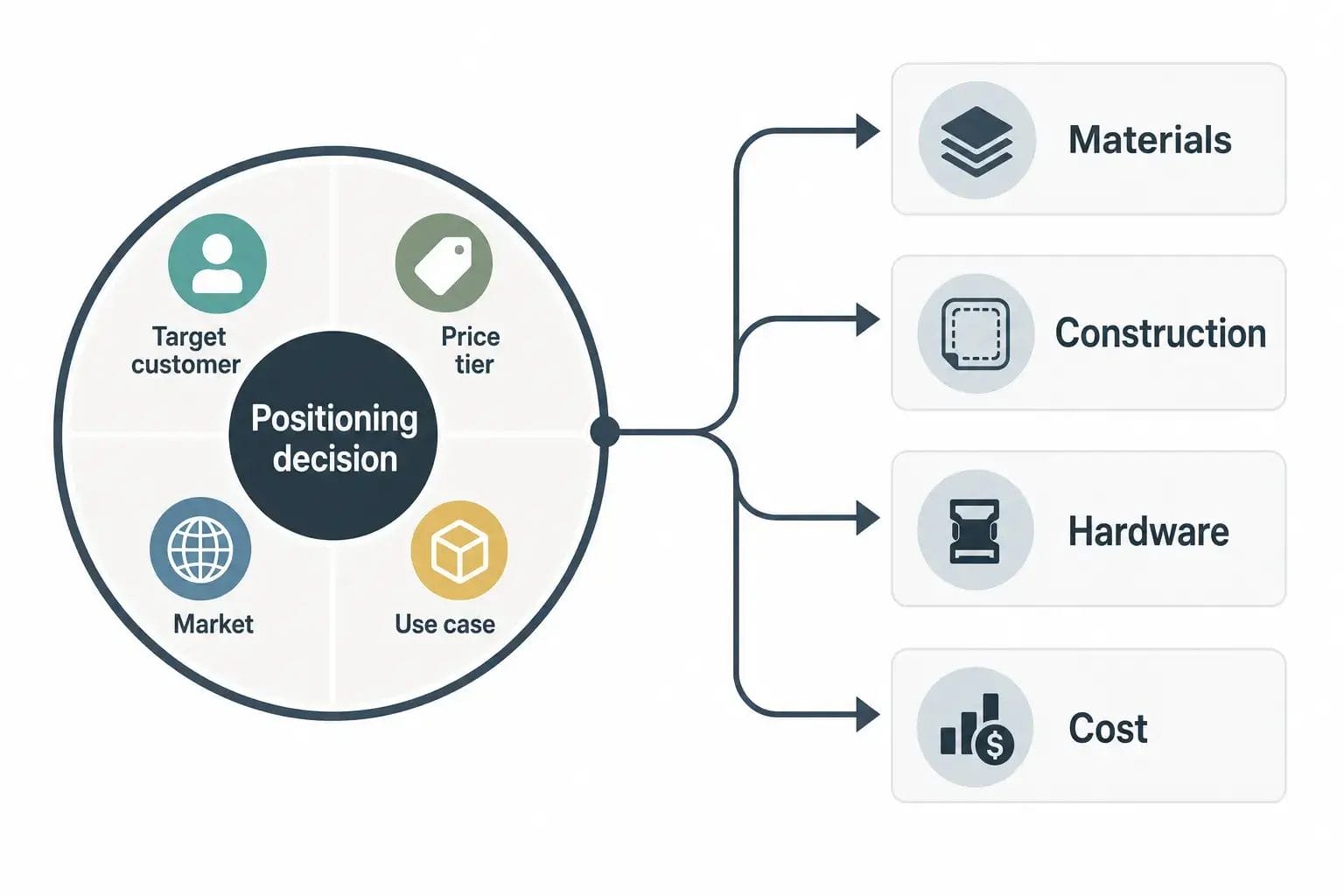
The instinct is to start by sketching the product. The more productive starting point is who it is for and where it sits — the target customer, the price tier, the sales market, and the use case. Those four shape every decision that follows. A premium harness for small urban dogs and a rugged harness for large working dogs are the same category and almost nothing else the same: different materials, different construction, different hardware, different cost structure. None of that can be decided sensibly until the positioning is fixed.
This is the decision that is easiest to skip and most expensive to get wrong, because it is not an engineering choice and so it does not feel like part of “development.” But every downstream specification inherits from it. A clear position turns an open-ended “design a pet product” into a bounded problem a development team can actually solve — at a minimum it should pin down the target pet size, the use scenario, the price tier, the sales market, and the retail channel, since each of those rules some options out.
Material decisions shape everything downstream
Once the positioning is set, materials are the first real engineering decision — and they ripple through everything after. Material choice drives cost, durability, weight, the compliance obligations the product will carry, and ultimately the return rate. It is also rarely a single choice: most pet products combine materials by function, the way a harness uses webbing for load, mesh for comfort, and a coating for water resistance.
Getting this right early matters because materials are expensive to change late, once tooling and patterns are committed. What this stage should produce is a material specification — role, grade, finish, and target-market constraints — not just a preferred material name, since “nylon” or “air mesh” alone does not tell a factory enough to build to. How the individual materials compare, and how to match them to product, climate, and market, is covered in Dog Harness Materials: Choosing Between Air Mesh, Nylon, and PVC — the harness is a useful worked example, but the same logic of matching material to role applies across the category.
Most products are multi-material — and that’s where development gets hard
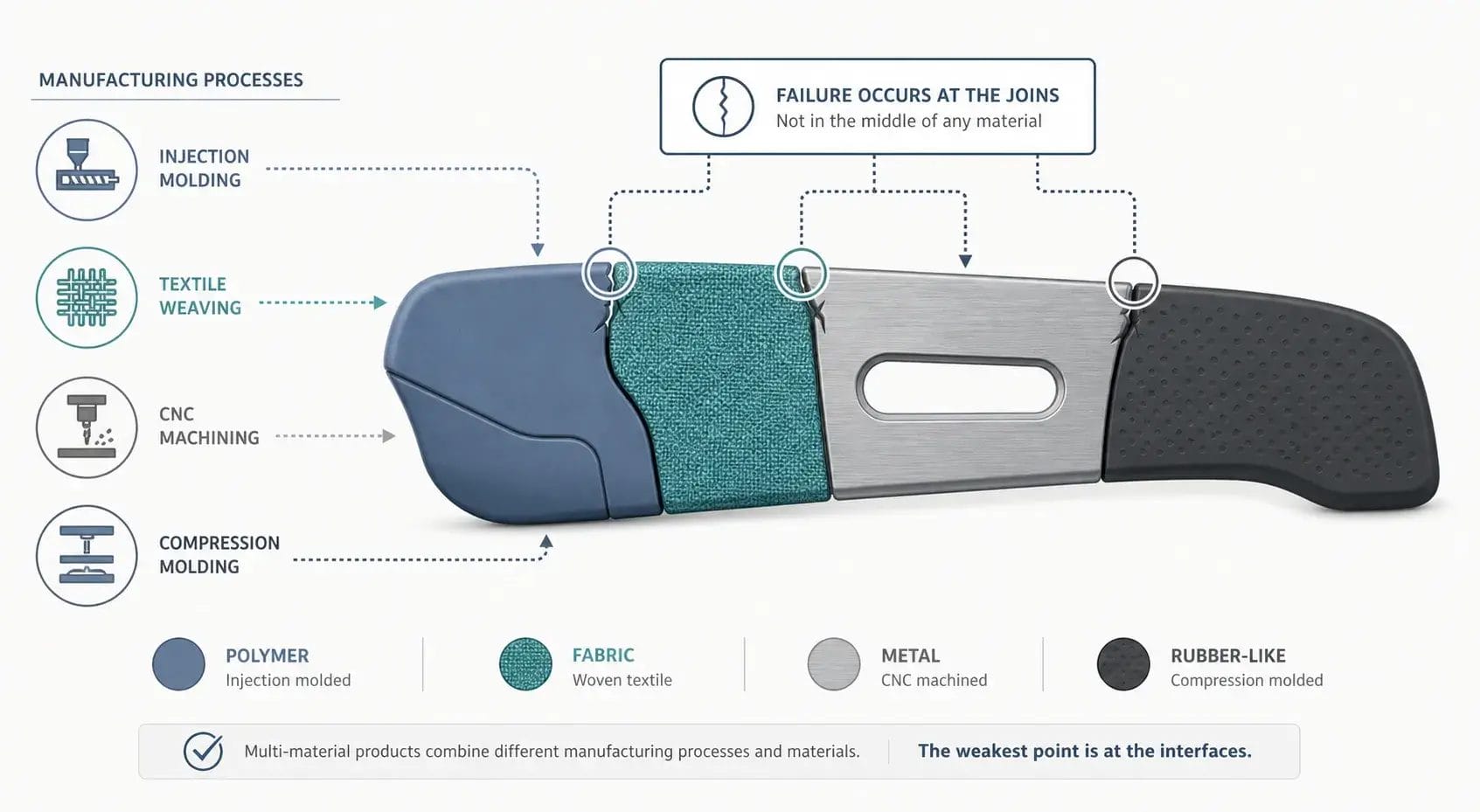
The moment a product combines more than one material, development picks up its hardest problem: the join. A product that crosses webbing, molded plastic, metal hardware, and stitching draws on several different manufacturing processes, and it fails not in the middle of a material but at the interface between two of them. The structural decisions — which materials meet, how they are joined, and how those joins are validated — are where a design either holds together in use or comes back as a return.
This is also why who makes the product matters as much as what it is made of: the processes have to be coordinated rather than each component developed in isolation. How dissimilar materials are combined, and where multi-material products tend to fail, is covered in Multi-Material Manufacturing for Pet Products: Combining Plastic, Metal, Fabric, and Silicone.
Category choices: matching format to use
Some development decisions happen at the level of the product format itself. A pet carry system is the clearest example: backpack, tote, sling, soft-sided, wheeled, and stroller are not interchangeable, and choosing among them is a development decision driven by pet size, use scenario, how long the pet stays inside, and market positioning. The same kind of format decision shows up across categories — the format is not a given, it is a choice that follows from the positioning set at the start. How that decision works for carry systems, and the variables that drive it, is laid out in Types of Pet Carriers: Six Carry Formats and How to Choose the Right One.
Compliance is a development decision, not a final check
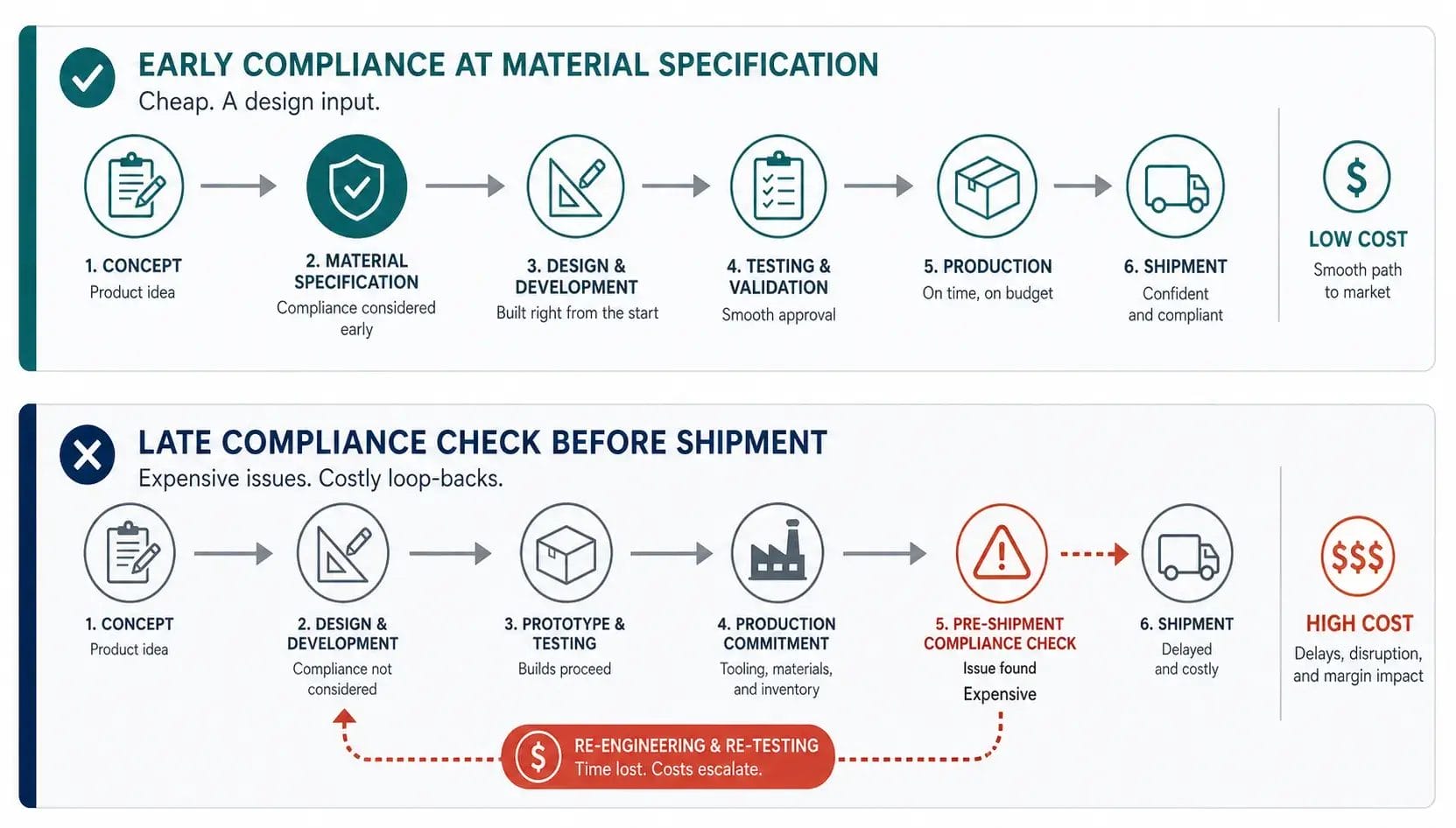
The most common and most expensive sequencing mistake is treating compliance as something to confirm before shipment rather than something to design in. By the time a product is sampled and tooled, its materials are fixed — and if one of those materials is restricted in a target market, the fix is a re-engineering job, not a paperwork job. Compliance belongs at the material-specification stage, alongside the decisions above, not after them.
Because pet products are mostly non-food consumer goods, the obligations follow the materials and the markets rather than a pet-specific regime — which is exactly why compliance has to be considered while the materials are still being chosen. The full picture of how export compliance works, and how to map obligations to a product’s materials and markets, is covered in Pet Product Export Compliance: A Complete Guide for Brands and Importers.
Validating the design: from concept to production
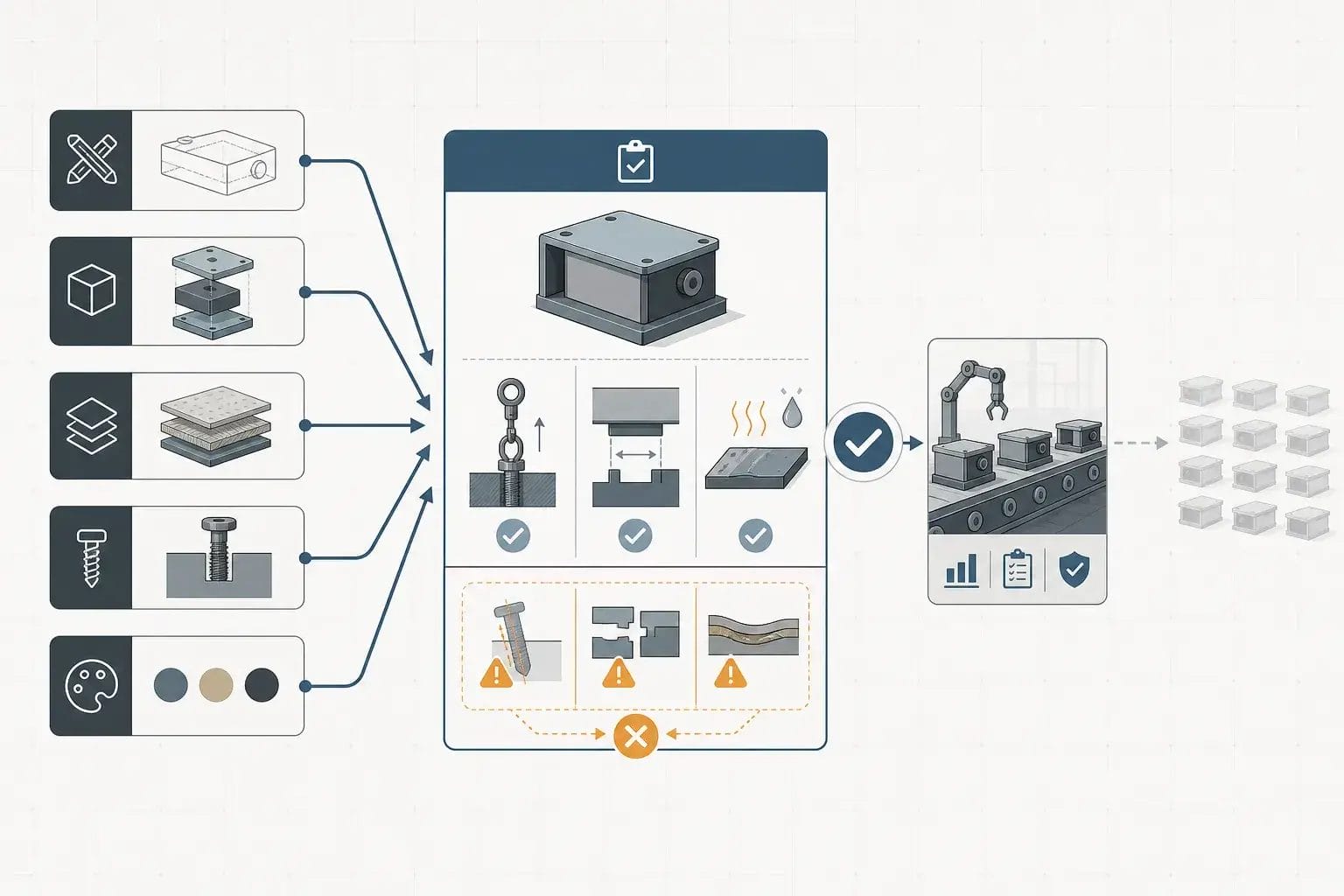
Once the decisions are made, the design has to be proven before it goes to volume. Sampling is where the choices meet reality — where a join that looked fine on paper is pull-tested, where the fit is checked on an actual animal, where a material’s real behavior shows up. The role of validation in development is to catch the incompatibilities between decisions before they are multiplied across a production run.
The detailed schedule of how a design moves through prototyping, iteration, tooling, and mass production — the lead times and what happens at each stage — is its own subject, set out in The Pet Product Manufacturing Timeline: From Prototype to Mass Production. The decision of who runs that process, and how to tell a development-capable manufacturer from an order-taker, is covered in How to Choose a Pet Product OEM Manufacturer.
What development-led manufacturing looks like
All of this points to a difference in the kind of partner a brand works with. A factory that simply builds to a handed-over spec leaves the brand to carry the whole decision chain alone. A development-led manufacturer engages with the chain itself — it asks about positioning before quoting, it raises compliance while the materials are still open, it flags a join that will not survive use, and it treats sampling as validation rather than a formality. That is the difference between a vendor and a development partner, and it tends to show up in the questions a manufacturer asks early rather than the price it quotes.
Whether a brand owns the design and specifies it (OEM) or starts from a manufacturer’s existing design and brands it (ODM) changes where the chain begins, but not the fact that the decisions have to be made in order; the trade-offs between the two are covered in OEM vs ODM for Pet Products.
If you are taking a pet product from concept toward production, the CrazyPaws team works through this decision chain with brands — positioning, materials, structure, compliance, and validation — as engineering-led development rather than build-to-print. The decision chain plays out differently across categories — the material and structural calls for a harness are not the same as those for a carry system or a feeding product — but the order is the same, and the earlier those decisions are made together, the fewer of them have to be unmade later.
FAQ
What are the main stages of developing a pet product?
Development is a chain of decisions: positioning (who it is for and where it sells), material selection, structural and multi-material integration, compliance mapping, and design validation through sampling. A production timeline follows once those decisions are settled. Each decision constrains the next, which is why the order matters.
What should I decide first when developing a pet product?
Positioning — the target customer, price tier, market, and use case. It is not an engineering choice, so it is easy to skip, but every material, structural, and compliance decision inherits from it. Starting with the product design before the positioning usually means redoing work later.
When do material choices need to be made?
Early, before tooling and patterns are committed, because materials are expensive to change late. Material choice also drives cost, durability, and the compliance obligations the product carries, so it cannot be separated from positioning and target markets.
When should compliance be considered in development?
At the material-specification stage, not before shipment. If a chosen material is restricted in a target market, fixing it after sampling and tooling is a re-engineering job. Considering compliance while materials are still open keeps it cheap.
Can I develop a pet product if I have an idea but no design?
Yes. Under an ODM arrangement, you can start from a manufacturer’s existing design and brand it; under OEM, you own and specify the design. The difference changes where the development chain begins and who carries which decisions, but the decisions still have to be made in order.
How do I find a manufacturer that can actually develop a product, not just make it?
Look for one that engages with the decision chain — asks about positioning and markets before quoting, raises compliance while materials are open, and treats sampling as validation. A manufacturer that only takes a finished spec and quotes a price is an order-taker, not a development partner.